
Receiving a new job offer is exciting. It usually follows weeks of applications, interviews and careful career consideration. However, many professionals encounter an unexpected situation after resigning: their current employer presents a counteroffer.
If you’re wondering how to handle counteroffers, you’re not alone. Counteroffers are common when employers want to retain valued employees, but accepting one isn’t always the best long-term career decision.
Many professionals encounter this situation after accepting a new role or while exploring other opportunities in the job market.
Before making your choice, it’s important to understand why counteroffers happen and how they can affect your career.

A counteroffer occurs when your current employer responds to your resignation by offering improved terms to persuade you to stay. This may include:
- A salary increase
- A promotion or title change
- Additional benefits or flexibility
- Promises of future development
While these offers can be tempting, they often address the immediate problem rather than the deeper reasons you began looking for a new job.
Understanding how to handle counteroffers means taking a step back and assessing the bigger picture.
Why Do Employers Make Counteroffers?
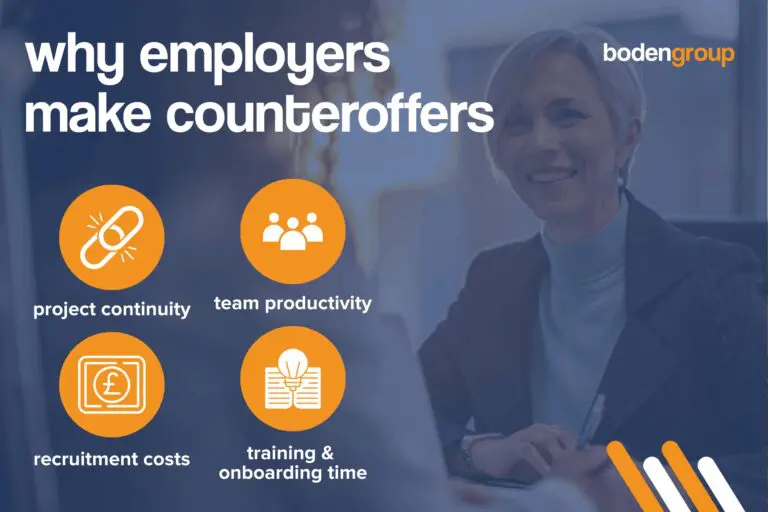
Employers often make counteroffers because replacing an experienced employee can be costly and disruptive. In fact, research from the CIPD suggests that employers are increasingly using counteroffers to retain key staff as skills shortages persist. Losing a team member can affect:
Project continuity
Team productivity
Recruitment costs
Training and onboarding time
In many cases, the counteroffer is a short-term solution to an urgent problem rather than a long-term plan for your career growth.
Remember Why You Started Looking for a New Role
One of the most important steps in learning how to handle counteroffers is reflecting on why you explored new opportunities in the first place.
Salary is rarely the only reason people change jobs. Common motivations include:
Limited career progression
Lack of challenge or development
Workplace culture or management issues
Work-life balance concerns
Desire for a new environment
If those underlying issues remain unresolved, accepting a counteroffer may only delay the decision to move on.
Risks to Consider Before Accepting a Counteroffer
While every situation is different, there are several potential risks associated with accepting a counteroffer.
Your employer knows you were prepared to leave
Once you’ve resigned, your employer is aware you were open to moving on, which can sometimes influence future promotions or opportunities.Counteroffers may only solve short-term issues
While a salary increase or new title may seem appealing, it may not address the underlying reasons you started exploring new opportunities.Career momentum could slow down
Accepting a counteroffer might mean turning down a role that offers new experiences, skills, and long-term career growth.

If you receive a counteroffer, it’s important to make your decision thoughtfully rather than emotionally.
Here are some practical steps to follow.
revisit your original reason for leaving
Write down the main reasons you began exploring the job market. Consider whether the counteroffer genuinely addresses those issues.
compare long-term opportunities
Look beyond salary and consider career progression, learning opportunitues, leadership and mentorship, culture and satisfaction.
think about your future goals
Ask yourself which role will help you achieve your long-term career goals, not just provide short-term financial improvement.
seek objective advice from a friend or colleague
Discuss with someone you trust who understands your professional ambitions. An external perspective can help you evaluate the offer.
Making the Best Decision for Your Career
Ultimately, knowing how to handle counteroffers comes down to making a decision that supports your long-term growth and professional satisfaction.
While counteroffers can be flattering, they should be carefully evaluated against your original motivations and career goals.
A new role may offer the chance to develop new skills, broaden your experience, and progress your career in ways that a short-term adjustment at your current employer cannot.
Need Advice on How to Handle Counteroffers?
If you’re navigating a job offer and facing a counteroffer from your current employer, it can be helpful to talk through the situation with someone who understands the job market.
Getting impartial guidance can help you make the decision that best supports your long-term career development.
If you’re earlier in the hiring process, you may find our guide to preparing for a job interview helpful.