

How to Write a Facilities Manager CV
When applying for Facilities Manager jobs, your CV is often the first thing employers review. A well-written Facilities Manager CV should clearly demonstrate your experience
The COVID-19 pandemic has brought about significant changes in the way we work. Remote work has become a norm for many companies, and hybrid work has emerged as a popular option for those who prefer the flexibility of working from home or the office, depending on their needs.
One thing is clear: companies cannot ignore the importance of flexibility in the workplace. According to a recent survey, companies would lose 40% of their workforce if there was a U-turn on hybrid working. This statistic highlights the fact that flexibility is not just a trend, but a necessity in today’s workforce.
But flexibility is not just about where employees work. It’s also about how they work. The culture of connectedness is essential in today’s workforce. Allowing employees to have the flexibility to schedule their own work can lead to a better work-life balance, which is essential for overall well-being. Research shows that those who have place flexibility feel 2.0X better about their work-life balance and 2.4x better about their work-related stress. If we want to let people schedule their own flexibility, we can see that people feel 3.2X better about their work-life balance and 6.6X better about their work-related stress.
However, the need for flexibility does not mean that the office is no longer needed. In fact, the office is still a crucial component of the modern workplace. We just need to learn a new way of working. People want to decide where they want to work and have the flexibility to schedule their own work. For some, the office is a preferred place to work, while for others, working from home is the better option.
This means that businesses need to think about how to optimise their office spaces to accommodate this new way of working. How can businesses optimise workspaces to retain and manage talent?
What is human space work design, and why is it important?
Human space work design is the process of designing workspaces with the needs of the employees in mind. It’s all about creating a space that is comfortable, functional, and conducive to productivity. By focusing on human space work design, businesses can create an office environment that fosters creativity, collaboration, and innovation.
1. Embrace technology:
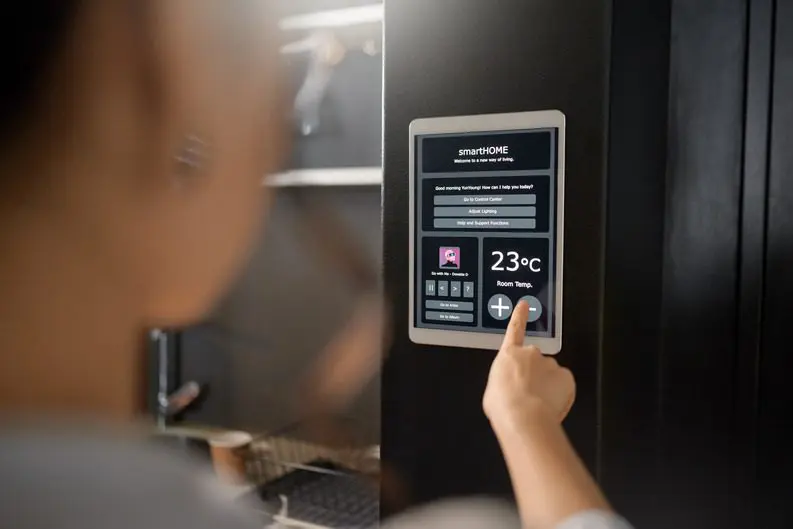
One of the key components of human space work design is embracing technology. Technology can help to make the workplace more efficient and effective, and it can also improve the employee experience. From smart lighting to temperature control systems, there are a wide range of technologies that can be used to optimise office spaces.
2. Use tech to support your hybrid work model:
The rise of hybrid working has brought new challenges for businesses. It’s important to manage everything in hybrid work, from communication to productivity. By leveraging technology and human space work design principles, businesses can create a hybrid work environment that works for everyone.
3. Digital enablement:
Digital enablement is another key component of human space work design. By providing employees with the tools, they need to work effectively from anywhere, businesses can create a more flexible and agile workforce. This includes providing employees with access to cloud-based tools and software, as well as ensuring that they have the hardware they need to work from home or on the go.
4. Human-centric work design:
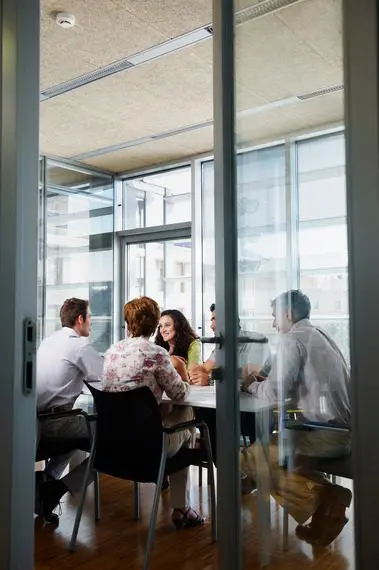
At the heart of human space work design is the idea that the office should be designed with the needs of the employees in mind. This means creating a space that is comfortable, functional, and conducive to productivity. It also means creating a space that fosters collaboration, creativity, and innovation. Consider using breakout rooms for brainstorming sessions, be creative with your workspaces.
Looking at Gen-Z, they want hybrid working. They want to work anywhere at any time but also want in-person experiences. The office is important for younger generations, such as those who have just left university or college and are living with their parents. How can they work from home? It’s not always that easy. Whereas older generations can work from home a lot easier if they have their own space.
While hybrid working is here to stay, the office is still an important part of the modern workplace. The office provides a space for employees to come together, collaborate, and connect with one another. It’s important for businesses to create an office space that is welcoming, comfortable, and conducive to productivity.
Despite these challenges, the office space has never been more important. It’s a place where people can come together and foster a great culture. If companies don’t invest in their office spaces and create a positive experience for their employees, they risk losing valuable talent
The first step is to collect data on how the office is being used. This can help companies analyse their usage patterns and create the ultimate experience between humans and the office. The next step is to analyse the data to identify areas where the space can be optimised. Finally, businesses should focus on creating the ultimate experience between humans and the office, leveraging technology and human space work design principles to create a space that is comfortable, functional, and conducive to productivity.
By embracing technology, managing everything in hybrid work, providing digital enablement, creating a human-centric work design, and focusing on the importance of the office, businesses can create a workspace that fosters collaboration, creativity, and innovation. By collecting data, analysing usage patterns, and creating the ultimate experience between humans and the office, businesses can create a workspace that is comfortable, functional, and conducive to productivity. By investing in the office space and creating a culture of connectedness, companies can retain their employees, increase their productivity, and improve their overall well-being.

When applying for Facilities Manager jobs, your CV is often the first thing employers review. A well-written Facilities Manager CV should clearly demonstrate your experience
In the latest episode of our Building Success series, Kay Prior sits down with Chris Stansell Managing Director at Earl Kendrick for an insightful interview about building a career in building surveying.

You may know that LinkedIn is a compelling way for you to get noticed when looking for a new job. LinkedIn is a platform that